Source Cordless Consumer Electronics Battery for Smart Devices
Find reliable cordless consumer electronics battery options for your next project. Compare 30 listings featuring lithium metal and polymer types with voltages from 3.2V to 3.7V. Evaluate capacities ranging from 0.6Ah to 19000mAh and review certifications like CE and UL to select the right power source for your needs.
Key considerations
Products List
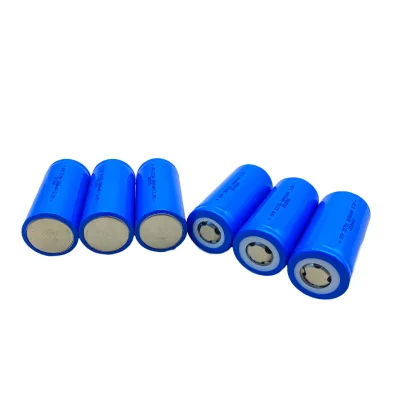


Comprehensive Sourcing Guide
Cordless Consumer Electronics Battery Sourcing Guide
The market for cordless consumer electronics batteries presents a diverse array of options, ranging from small lithium metal cells to larger lithium-polymer units. Buyers must distinguish between non-rechargeable primary cells, such as the ER26500M with a 6500mAh capacity, and rechargeable Li-Polymer variants designed for devices like laptops and tablets. Understanding these fundamental differences is critical before initiating any procurement process, as the application dictates the required chemistry and performance profile.
Sourcing decisions should be grounded in the specific power demands of the target device, whether it is a camera, MP3 player, or video game console. The observed product listings indicate a wide spectrum of nominal voltages, including 3.2V, 3.6V, and 3.7V, alongside capacities spanning from 0.6Ah to 19000mAh. Procurement teams must align their technical requirements with these observed specifications to ensure compatibility and optimal operational efficiency for the end-user product.
Product Scope and Observed Listing Signals
Buyers should carefully evaluate the physical dimensions and weight constraints when selecting a battery for compact consumer electronics. The available inventory includes models with precise standard sizes, such as the 14mm14mm33.5mm ER14335(1) and the larger 34mm34mm61.5mm ER34615, each carrying distinct weight profiles from 13g to 107g. These physical attributes directly influence the design of the host device, requiring engineers to verify that the battery fits within the allocated chassis space without compromising structural integrity.
Packaging and customization options also play a significant role in the final product presentation and supply chain logistics. Many suppliers offer paper box packaging and provide customization services to meet specific branding or functional needs. However, buyers must verify if the listed customization applies to the specific model required, as some listings indicate standard configurations while others explicitly state that custom solutions are available for tailored orders.
Technical Specifications to Verify
Voltage and capacity are the primary technical parameters that determine the runtime and compatibility of the battery with the intended electronic device. The market offers nominal voltages of 3.2V, 3.6V, and 3.7V, with capacities ranging widely from 0.6Ah to 19000mAh depending on the cell chemistry. Procurement specialists must cross-reference these values against the device's power management system to prevent under-voltage failures or over-current issues that could damage the equipment.
Cycle life and shelf stability are equally critical for ensuring long-term reliability in consumer applications. Rechargeable Li-Polymer batteries typically offer a charge cycle life between 500 and 1000 times, whereas primary lithium metal cells boast a shelf life of up to five years. Buyers should confirm the specific cycle count and self-discharge characteristics for their chosen model, as these factors directly impact the maintenance schedule and total cost of ownership for the end product.
Compliance and Safety Documentation
Safety certifications are non-negotiable when sourcing batteries for global markets, as they validate that the product meets rigorous international safety standards. The observed listings frequently cite certifications such as CE, UL, CB, KC, TUV, RoHS, and MSDS, which are essential for market access in regions like Europe, North America, and Asia. Procurement teams must request valid certificates for each batch to ensure that the supplier maintains consistent quality control and adheres to the latest regulatory requirements.
Transportation safety documentation is particularly vital for lithium batteries due to their classification as hazardous materials during shipping. Certificates like UN38.3 and MSDS are standard requirements that demonstrate the battery has passed specific tests for altitude simulation, thermal cycling, and vibration. Buyers should verify that these documents are current and specific to the model being ordered, as they are mandatory for customs clearance and safe logistics handling.
Cost Drivers and Commercial Terms
Pricing in the battery market is heavily influenced by the order volume, with minimum order quantities ranging from a single unit to 10,000 pieces. The observed price range spans from $0.02 to $49, reflecting the significant cost differences between small primary cells and high-capacity rechargeable packs. Buyers must negotiate based on their projected volume, as larger orders often unlock better unit pricing and more favorable commercial terms from the supplier.
Payment flexibility and delivery timelines are key components of the commercial agreement that affect cash flow and inventory planning. Suppliers typically accept payment methods such as T/T, Western Union, and PayPal, with delivery details often specified as within 10 to 15 days. Procurement managers should clarify these lead times and payment conditions early in the negotiation to avoid delays that could disrupt production schedules or market launch plans.
Supplier Qualification and Quality Control
Verifying the place of origin and manufacturing capabilities is essential for ensuring consistent product quality and supply chain transparency. Most observed listings indicate a place of origin in Guangdong, China, a major hub for battery manufacturing, but buyers should confirm the specific factory location and production capacity. This verification helps assess the supplier's ability to scale production and maintain quality standards during periods of high demand.
Quality control processes should be rigorously evaluated to ensure that every unit meets the specified performance criteria. Buyers should inquire about the supplier's internal testing protocols, including checks for nominal voltage, capacity, and weight consistency. Establishing a clear quality assurance framework with the supplier, potentially including third-party inspections, is crucial for mitigating the risk of receiving defective or non-compliant battery units.
Long-Term Procurement Checks
Sustainability and recyclability are becoming increasingly important factors in the long-term procurement strategy for consumer electronics. Many listed products are marked as recyclable, and suppliers often highlight characteristics like low self-discharge and long service life to appeal to environmentally conscious markets. Buyers should prioritize suppliers who demonstrate a commitment to sustainable practices and offer clear guidance on the proper disposal and recycling of end-of-life batteries.
Warranty terms and after-sales support are critical for managing risk and ensuring product reliability over the product lifecycle. The observed listings include warranty periods of up to two years, which provides a safety net for buyers against premature failures. Procurement teams should negotiate clear warranty terms that cover manufacturing defects and establish a responsive support channel for handling any quality issues that arise during the product's operational life.
FAQs
What battery types are available for cordless consumer electronics?
The product line includes Lithium Metal and Li-Polymer batteries. Lithium Metal options like the ER26500M and ER14505M offer stable performance. Li-Polymer variants provide 3.7V output with 2000mAh capacity. These types suit various devices including cameras, laptops, and tablets, ensuring reliable power delivery for modern portable electronics.
Can these batteries be customized for specific devices?
Yes, customization is available for specific device requirements. Buyers can select from various models such as ER17450M or ER34615 to match their equipment. The manufacturer supports tailored solutions, allowing adjustments to fit unique form factors or electrical needs. This flexibility ensures optimal integration into diverse cordless consumer electronics applications.
What certifications do these batteries hold for safety?
These batteries hold multiple international safety certifications including CE, UL, CB, TUV, RoHS, and MSDS. Some listings also mention Bis, Kc, and SGS compliance. These certifications ensure the products meet global safety and environmental standards, providing confidence for international sourcing and regulatory compliance in various markets.
What is the typical lead time for orders?
The typical delivery detail is within 10-15 days. This timeframe applies to standard orders placed with the supplier. Buyers should confirm specific timelines based on order volume and customization requirements. This lead time supports efficient supply chain planning for businesses needing timely replenishment of battery stocks for their electronic products.
What payment methods are accepted for bulk orders?
Accepted payment methods include T/T, Western Union, and PayPal. These options provide flexibility for international transactions. Buyers can choose the method that best suits their financial processes. The supplier supports standard B2B payment terms, ensuring secure and convenient transactions for bulk purchases of cordless consumer electronics batteries.
What is the minimum order quantity for these batteries?
The minimum order quantity ranges from 5 to 10,000 pieces. This wide range accommodates both small trial orders and large bulk purchases. Buyers can select quantities that match their production needs. The flexible MOQ policy supports businesses of various sizes, from startups to large manufacturers, in sourcing these battery components.